
Animal Surgery Instruments Built for Performance and Care
Animals need careful surgery to heal and stay active. Vets work with focus and steady hands during every step. Good tools help them move with control and confidence. Animal surgery instruments play a key role in safe treatment. They support clean cuts, secure grips, and clear visibility. Therefore, the team can work with better accuracy. In addition, smooth finishes help protect delicate tissue. Clean steel also supports strong hygiene during procedures.
However, tools must match the task and the animal. So, clinics plan their sets before each surgery. They check balance, sharpness, and locking strength. Likewise, they follow strict cleaning routines after use. As a result, patients face fewer risks and less stress. Good tools also help save time in the room. Furthermore, trained staff use each tool with care. This teamwork supports safer care and smoother healing.
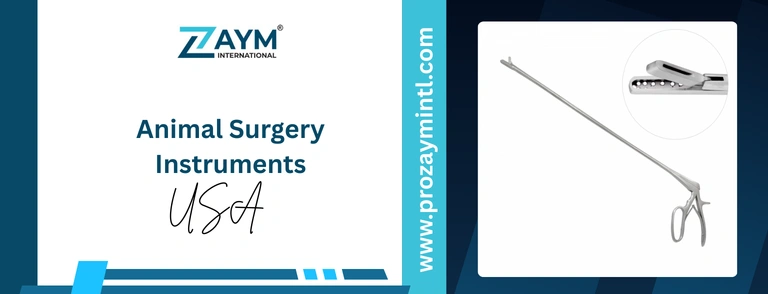
The Growing Demand for High-Performance Animal Surgery Instruments
Today, more families care for pets like family. So, clinics see more visits and more surgeries. Needs grow for safe and steady tools. Many vets now treat many species. Therefore, tools must match each task. Small animal surgical instruments support delicate work on cats and dogs. Also, farms need strong tools for large animals. In addition, clinics upgrade rooms and training. However, tools must keep pace with new methods. Clean finishes and tight joints matter.
So, makers test tools again and again. Clear labels help quick setup. Likewise, sets save time before surgery. As a result, teams work with calm focus. Owners expect careful care. Therefore, clinics choose tools that last. Good storage also protects tools. Finally, a steady supply helps clinics plan well and keep standards high.
How Performance-Driven Animal Surgery Instruments Improve Surgical Precision
Precision helps every safe surgery. Vets need sharp edges and a firm grip. So, each move stays under control. Animal surgery instruments with fine tips guide clean cuts. Therefore, tissue damage stays low. Also, clear lines help place sutures right. In addition, good balance supports steady hands. However, dull edges can pull tissue. That slows the team. So, clinics check sharpness often. Smooth hinges open and close well. Likewise, aligned jaws hold needles true.
As a result, time in surgery can drop. Shorter time often helps recovery. Clean surfaces also resist stains. Therefore, washing becomes easier. Teams follow steps for setup. They count tools before and after. This keeps work safe and organized. Furthermore, labeled trays help with fast reach. Calm rooms help focus. So, the right tool supports each step. Finally, steady performance builds trust in daily practice.
How Care-Focused Instrument Design Protects Animal Welfare
Care starts with gentle touch. Tools should meet tissue with kindness. Pet surgery instruments often use rounded tips for safety. Therefore, soft tissue faces less pressure. Also, smooth polish reduces drag. In addition, lightweight helps slow, careful moves. However, rough edges can irritate skin. So, makers remove burrs and marks. Calm handling lowers stress for animals. Likewise, quiet tools help a calm room. As a result, teams keep focus on comfort. Handles should not slip.
Therefore, grip patterns matter. Simple locks prevent sudden moves. Furthermore, clear sizes help pick the right tool. Vets match tools to each step. They also plan before the first cut. Good lighting supports careful work. So, design and care meet in practice. Finally, gentle design shows respect for animal welfare and supports kind treatment every day.
Core Types of Animal Surgery Instruments Used in Veterinary Practice
Many tools serve different roles. Teams sort them by task. First come cutting tools. Scalpels and scissors make clean openings. Animal surgery instruments for cutting need sharp edges and steady control. Therefore, vets change blades when needed. Next come grasping tools. Forceps and holders keep items secure. Also, clamps guide safe pressure. In addition, fine teeth help hold sutures. However, too much force can harm tissue. So, teams choose the right size. Retractors open space for clear views. They hold back tissue with care.
Likewise, specula help see inside small areas. As a result, access improves. Then come special tools. Animal operation tools include bone cutters and hoof tools. These match strong tasks. Therefore, makers use tough steel. Sets group tools by procedure. Trays keep order and speed. Labels help quick choice. Cleaning and safe storage protect edges. So, each type supports a clear role and better planning.
Material Quality in Animal Surgery Instruments Built for Performance
Strong material keeps surgical tools for animal hospi reliable. Stainless steel resists rust and stains. So, tools stay bright and safe. Animal surgery instruments need steel that holds an edge. Therefore, makers test hardness and finish. Also, good steel handles heat from sterilization. In addition, tight joints reduce wobble. However, poor alloys can pit and bend. So, clinics check quality marks. Smooth polish helps easy cleaning. Likewise, sealed joints block dirt.
As a result, hygiene stays high. Teams follow care guides. They dry tools after washing. Proper racks protect tips. Furthermore, regular checks spot wear early. So, repair or replacement happens on time. Good material saves costs over years. Finally, stable quality supports calm work and safer care for animals in every procedure.
Ergonomic Animal Surgery Instruments for Surgeon Comfort and Control
Comfort helps steady work. Long hours can tire hands. So, shape and weight matter. Veterinary surgical equipment often uses contoured handles. Therefore, fingers rest in a natural way. Also, texture helps grip when wet. In addition, balance centers near the hinge. However, heavy tools can strain wrists. So, lighter builds help. Spring tension should feel smooth. Likewise, locks should click softly. As a result, control improves. Teams can focus on the animal. Clear sizes fit different hands.
Therefore, clinics keep options ready. Training teaches safe grip. Furthermore, breaks reduce fatigue. So, comfort and control go together. Finally, good ergonomics support accuracy and calm steps during delicate work.
Sterilization-Ready Animal Surgery Instruments for Safe Clinical Use
Clean tools protect every patient. Sterilization must be simple and sure. Animal surgery instruments should handle autoclave heat. Therefore, seals and joints must be tight. Also, smooth steel sheds residue. In addition, open hinges allow full cleaning. However, trapped dirt raises risk. So, teams use brushes and rinse well. Drying prevents spots. Likewise, packs keep tools clean until use.
As a result, cross-contamination risk drops. Clinics log each cycle. Therefore, records stay clear. Color codes help sorting. Furthermore, clear trays speed setup. So, safe cleaning supports safe care. Finally, steady routines build trust and keep standards high in busy clinics.
Support Better Patient Recovery with Gentle, Reliable Instruments
Recovery starts in the surgery room. Gentle moves protect tissue. Animal surgery instruments with fine tips guide careful work. Therefore, swelling can stay lower. Also, a steady grip avoids slips. In addition, smooth edges reduce drag. However, rough contact can slow healing. So, teams choose gentle designs. Controlled pressure prevents crush injury. Likewise, precise jaws hold sutures true. As a result, wounds close well. Reliable tools keep performance steady. Therefore, long procedures stay under control. Clear feedback helps the surgeon feel each step.
Furthermore, matched sizes fit each species. Calm handling reduces stress. So, animals wake with less strain. Good tools support clean lines. Clean lines often help faster healing. Teams also plan aftercare. They check sites and comfort. Therefore, recovery paths look smoother. Gentle design links to better healing. Finally, careful choices today support better days after surgery.
Animal Surgery Instruments Designed for Different Species and Sizes
Species differ in size and strength. So, tools must match the patient. Large animal surgical tools need longer reach and power. Therefore, handles feel firm and wide. Also, tips must stay aligned. In addition, small patients need tiny tips. However, using the wrong size risks harm. So, clinics keep varied kits. Labels show sizes clearly. Likewise, trays are grouped by species.
As a result, setup becomes fast. Training covers species needs. Therefore, teams plan before surgery. A good fit improves control. Furthermore, a clear choice saves time. So, species-based design supports safer steps. Finally, rightsizing shows respect for each animal.
Minimally Invasive Animal Surgery Instruments and Modern Veterinary Care
Modern care favors small incisions. So, tools must be slim and precise. Animal surgery instruments for scopes use narrow shafts. Therefore, entry points stay small. Also, cameras guide the view. In addition, fine graspers handle tissue gently. However, skill and tools must match. So, training matters. Smaller cuts can lower pain. Likewise, animals may move sooner. As a result, stays can be shorter. Clear ports keep air tight.
Therefore, vision stays sharp. Teams check seals and tips. Furthermore, steady hands guide each move. So, modern tools support modern care. Here, we at Zaym International focus on dependable builds. Finally, careful design supports comfort and safe steps.
Long-Lasting Animal Surgery Instruments for Consistent Performance
Long life saves cost and time. An animal surgical instrument set helps keep tools matched. Therefore, wear stays even. Also, regular checks catch issues early. In addition, sharpening keeps edges true. However, overuse can strain joints. So, rotate tools between cases. Dry storage prevents spots. Likewise, guards protect tips. As a result, tools stay ready. Clear logs track service dates.
Therefore, teams plan care. Good cases protect during moves. Furthermore, gentle handling adds years. So, steady care keeps performance stable. Finally, consistent tools support calm work every day.
Choosing Animal Surgery Instruments Built for Performance and Care
Choice starts with clear needs. Match tools to common procedures. Animal surgery instruments should feel balanced and smooth. Therefore, test grip and action. Also, check the finish and alignment. In addition, ask for material details. However, price alone should not decide. So, compare quality and support. Look for clear cleaning guides. Likewise, choose sets that fit tasks. As a result, setup becomes easy. Our team can help you explore options.
Therefore, review catalogs and ask questions. Furthermore, plan for training and care. So, your clinic stays ready. Take time to explore our range and learn more. Finally, careful choice supports safer care and steady results.
Final Thoughts
Good surgery needs skill, planning, and reliable tools. The right instruments help vets work with calm control. Therefore, animals receive safer and gentler care. In addition, regular care keeps tools ready for daily use. Training helps teams handle each step with confidence. However, quality should always guide your choices. So, clinics should review their tools often. Choose options that feel balanced and are easy to clean. We focus on careful design and steady quality. Our goal is to support safe veterinary work. Explore our range to find tools that fit your needs. Zaym International is here to support your clinic. Contact us today and discover instruments built for care and performance.


